A small decision that changes everything
Topic:
Lighting
Year:
22 February 2026
It’s usually made quietly… and costs you more than you think.
I was reviewing a project recently - beautiful materials, refined detailing, strong spatial planning.
On paper, it would have been worthy of an award. But in the evening, something shifted.
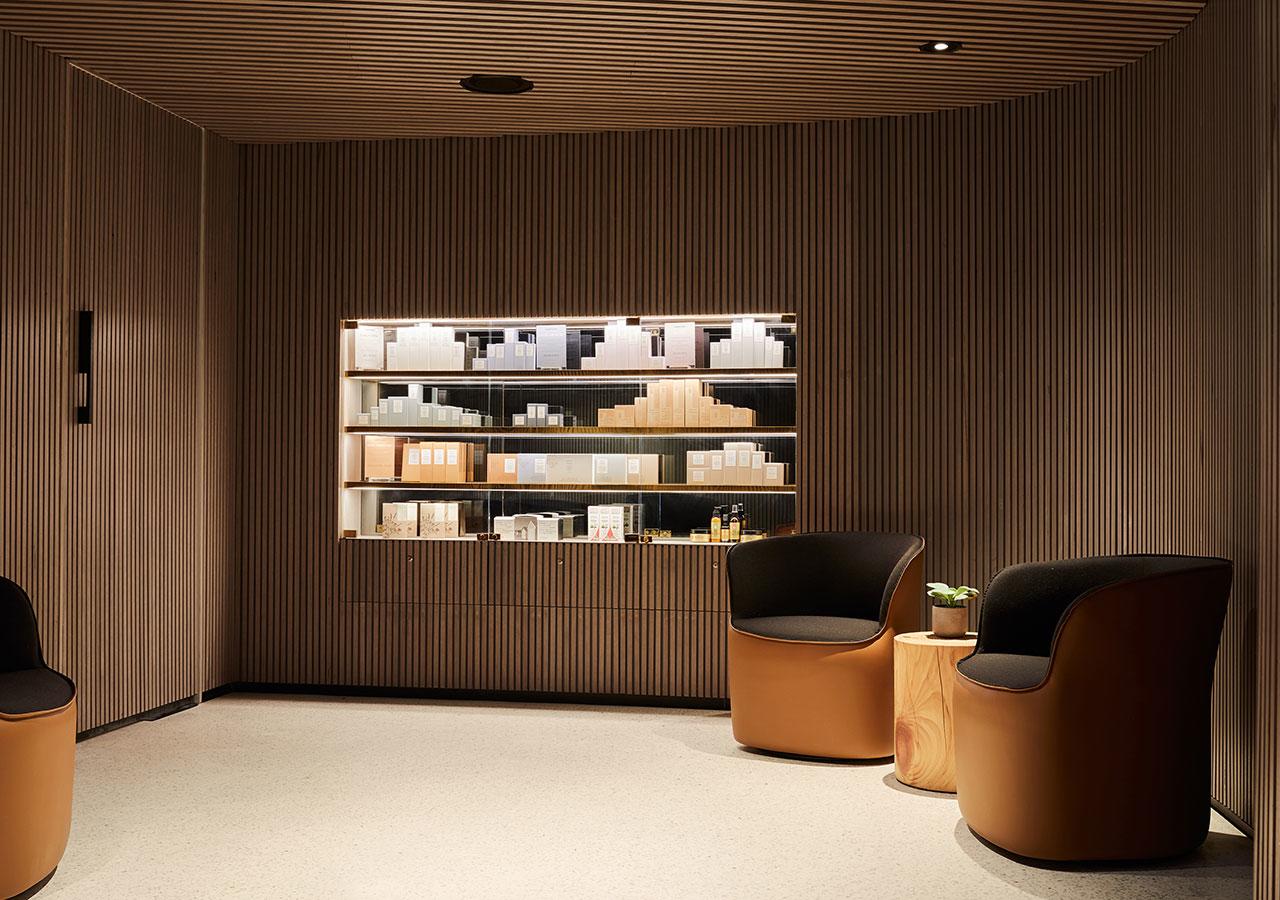
The floor was evenly lit. The walls were washed flat. Every surface was visible - yet nothing felt dimensional.
It wasn’t a styling issue. It wasn’t a budget issue.
It was timing.
Lighting had been decided once everything else was locked in.
And when lighting is forced to fit around finished decisions, it can only distribute brightness. It can’t sculpt, soften, or create hierarchy. That’s where projects quietly lose their emotional impact. Not because the design wasn’t strong - but because illumination became an afterthought instead of a design tool.
Actionable Tip
Before your next set of drawings progresses too far, define three things:
Where should the eye land first?
Where should shadow exist?
What should feel calm versus dramatic?
If those answers aren’t guiding your lighting layout, the atmosphere will default to uniform.
Uniform light equals uniform experience. And uniform rarely feels intentional.
Resource of the week
Do a simple audit on your current project. Instead of counting fixtures, map contrast zones.
Mark areas that need:
Focus
Soft transition
Visual pause
If every zone looks similar, you’re designing brightness - not experience. If this is hitting close to home, you’re not alone - most projects are structured this way.
If you’d like lighting decisions to strengthen your concept rather than dilute it, let’s discuss how to integrate it earlier in your next project so the finished space performs exactly as intended.
Sources: