Why Lighting Design Belongs at the Architectural Table:Not the End of It
Topic:
Lighting - The Soul Space Method
Year:
22 March 2026
Lighting designer Amie Schulenburg of NEXTCONTRAST explains why bringing a lighting consultant in early leads to better architectural outcomes - and what's lost when you don't.
There's a pattern that plays out on residential architecture projects more often than it should.
The design is resolved. The documentation is underway. Someone mentions lighting. A consultant is briefed with a reflected ceiling plan and a tight timeline, and the result - however competent - is a lighting scheme that sits on top of the architecture rather than growing out of it.
It's nobody's fault. It's just the way the process has traditionally run. But it doesn't have to.
What changes when lighting is considered early
When a lighting designer is brought into the conversation at concept stage, something shifts. Suddenly the decisions that affect light - ceiling heights, material selections, joinery profiles, the relationship between inside and outside - are being made with full awareness of how they'll perform after dark.
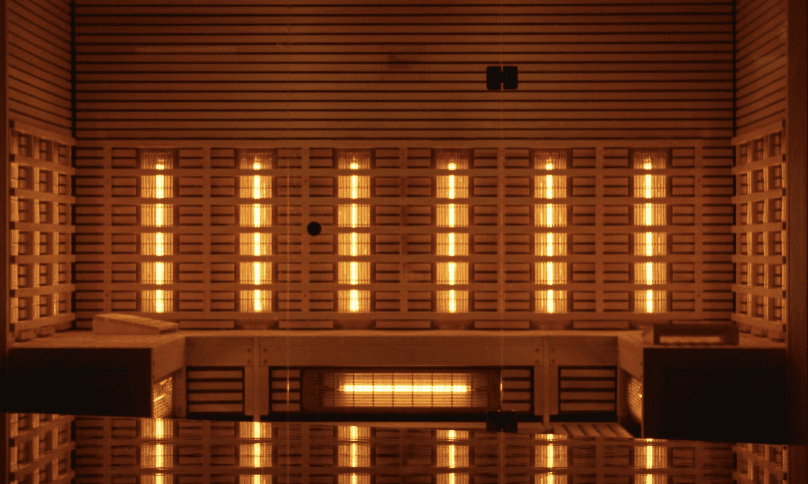
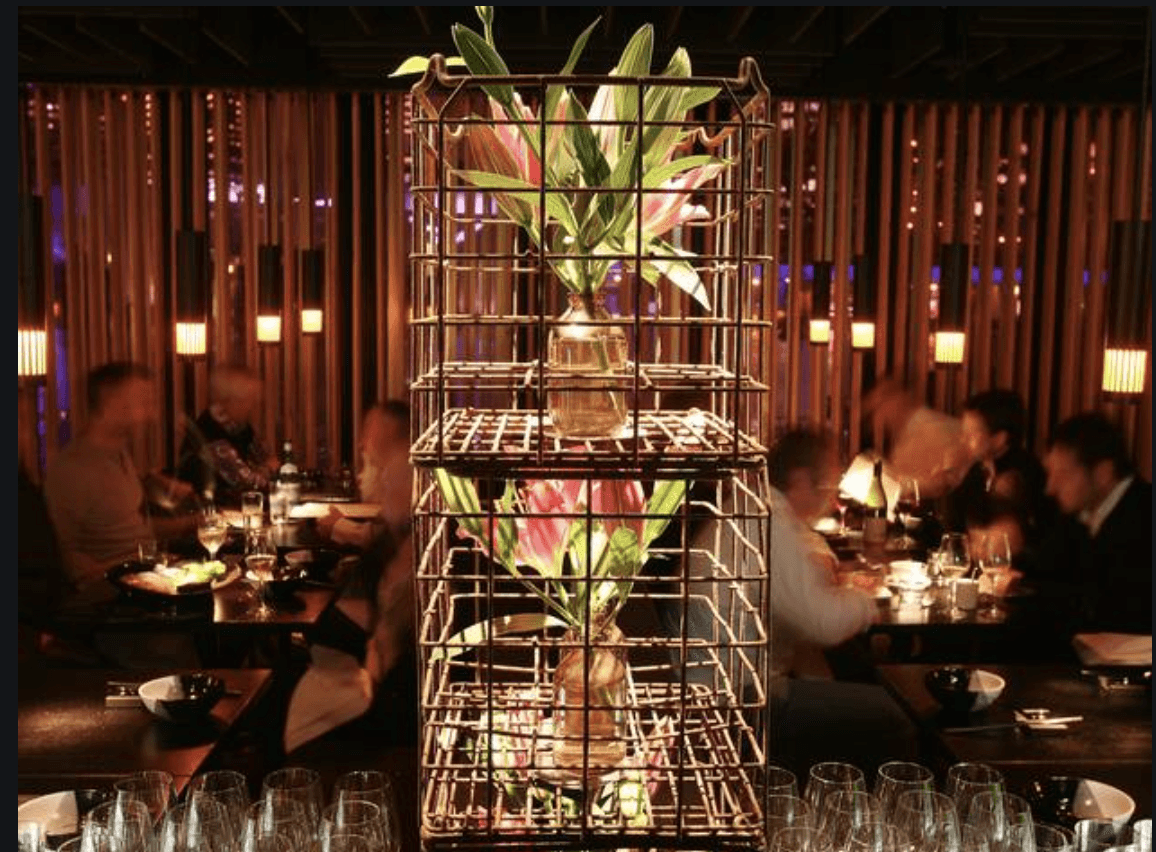
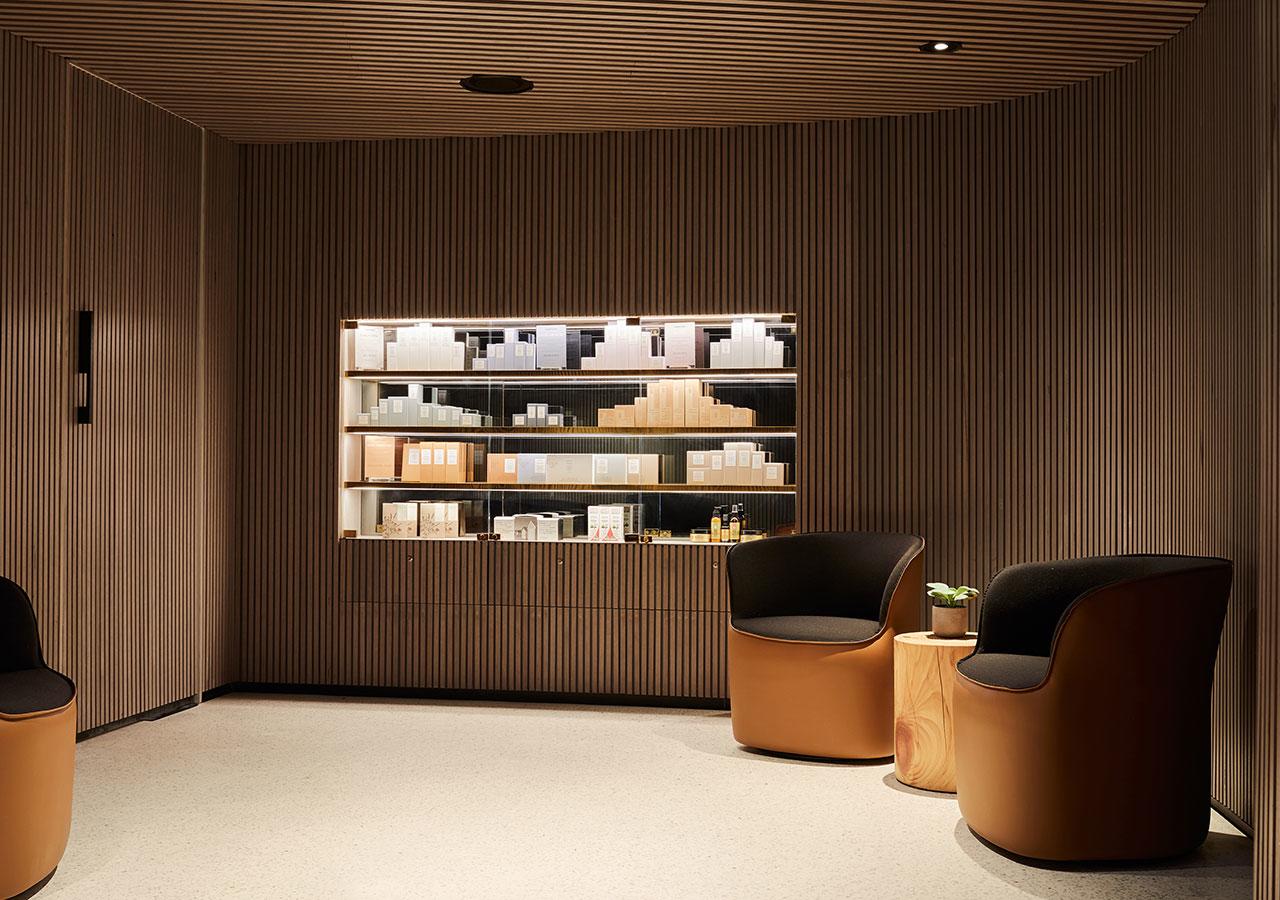
A recessed reveal that creates a beautiful wash on a textured wall. A ceiling void that allows for concealed lighting without compromising the architecture. A material palette chosen partly for how it reflects and absorbs light across different times of day.
These aren't afterthoughts. They're design moves. And they're only available when lighting is part of the conversation from the start.
The cost of leaving it late
Late-stage lighting briefs tend to produce one of two outcomes. Either the lighting consultant works within the constraints they've been given and delivers something functional but forgettable - or they start flagging changes that require coordination, cost, and goodwill to resolve.
Neither is ideal. Both are avoidable.
What architects gain from early collaboration
The architects NEXTCONTRAST works with consistently say the same thing: when lighting is resolved early, the project feels more coherent. The spaces read better in photography. Clients notice it even when they can't articulate why.
That coherence isn't accidental. It's the result of lighting being designed as part of the architecture - not applied to it.
The Soul Space Method approach
The Soul Space Method, developed by Amie Schulenburg at NEXTCONTRAST, is built around this principle. Lighting that starts with the architecture. That considers how people will move through and experience a space. That layers depth, warmth, and intention into every decision.
It's an approach that only works when there's time and space to apply it properly - which is why the conversation about when to bring in a lighting designer matters as much as who you bring in.
If you're an architect reading this
The next time you're in the early stages of a residential project and the question of lighting comes up - consider making that call sooner than you normally would.
The outcome might surprise you.
Amie Schulenburg is the founder of NEXTCONTRAST and creator of the Soul Space Method - a lighting design practice working with architects across Australia. Learn more at nextcontrast.com
Sources: