You value-engineered everything… so why doesn’t it read?
Topic:
Lighting
Year:
15 February 2026
At 7pm, the space should land. If it doesn’t, this is usually why.
You’ve done everything right.
Fixtures value-engineered.
Finishes refined.
A grid that works.
Timelines intact.
And then it’s 7pm.
The space still reads flat.
You start asking the quiet questions architects never want to answer late in a project:
Will it photograph? Will the client feel it? Will this pass without revisions?
When this happens, it’s rarely about taste.
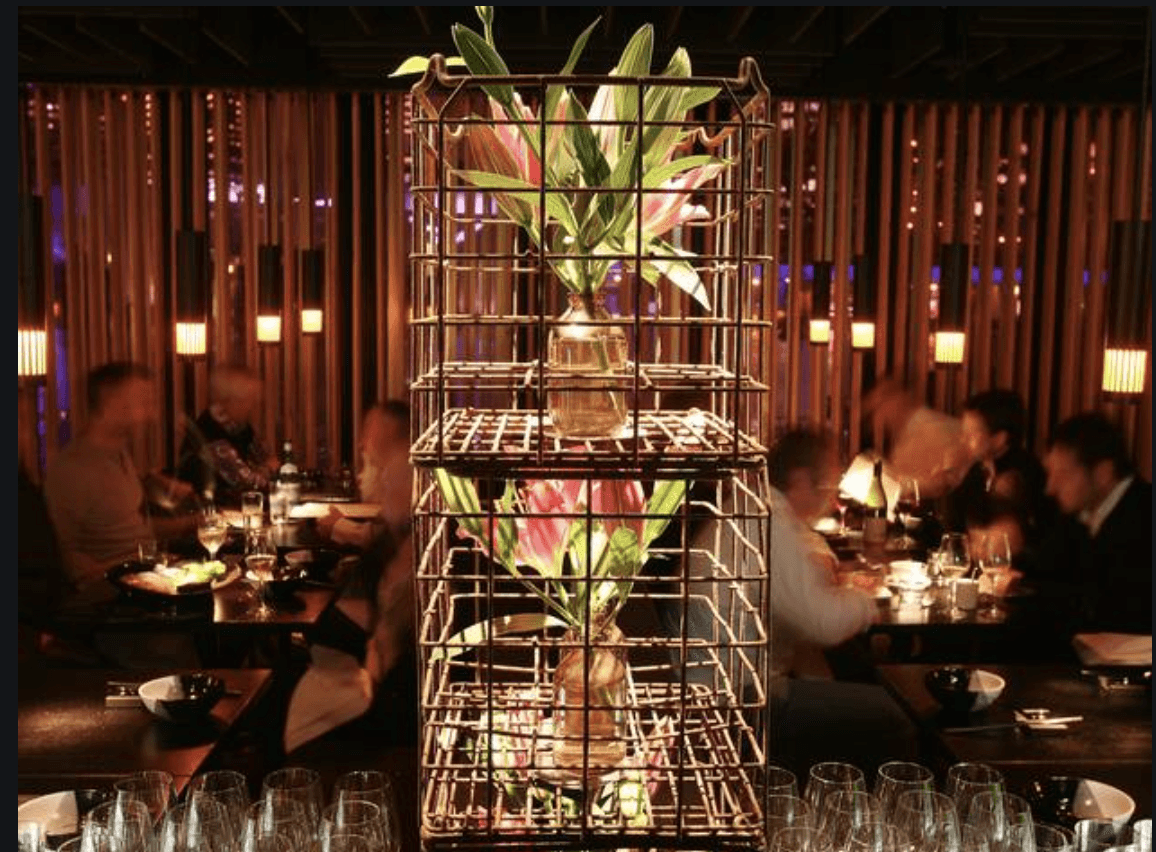
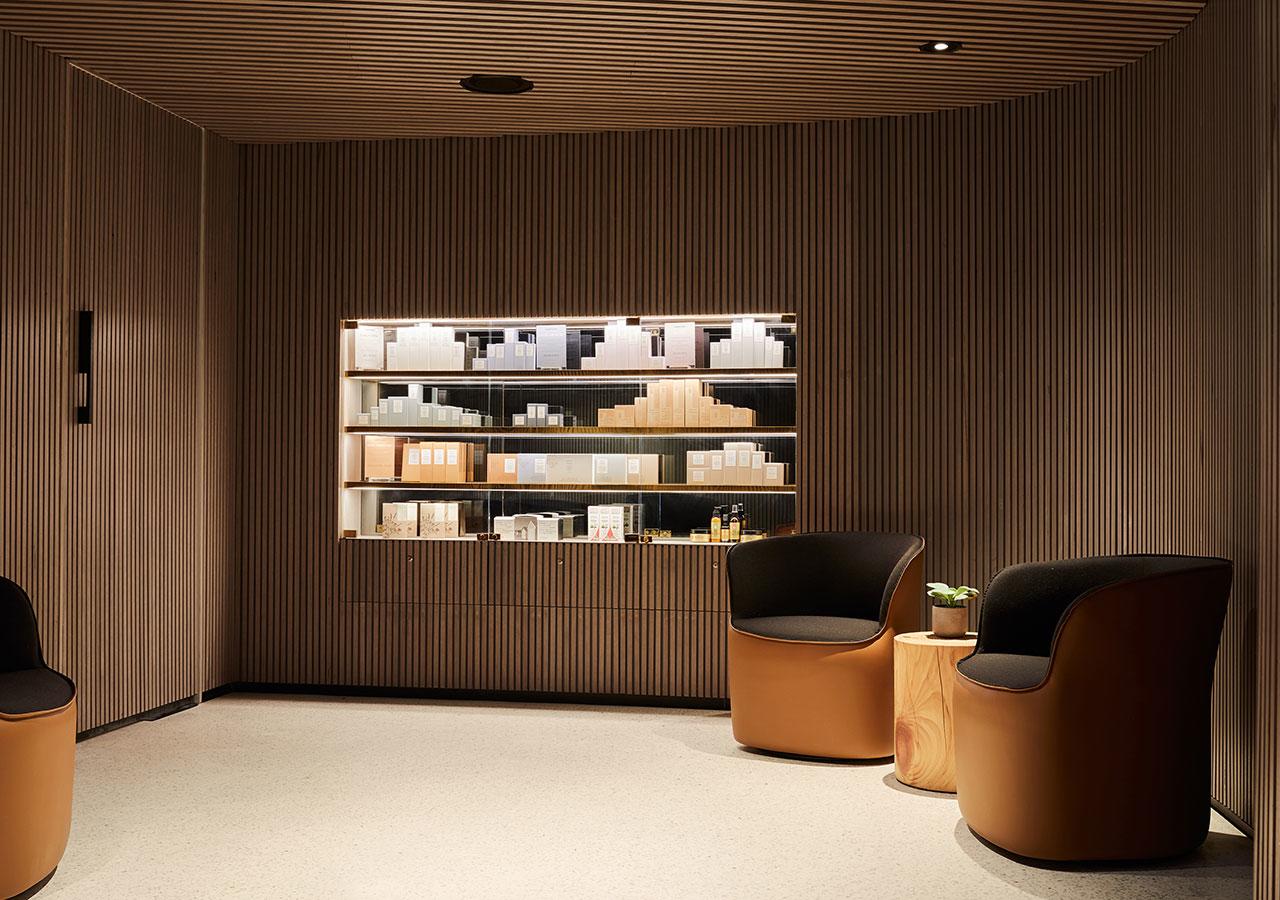
It’s almost always about lighting being treated as a single plane - stripping contrast, hierarchy, and mood from an otherwise strong concept.
Architecture doesn’t fail here. The environment does.
Take Action
Look at your current project drawings and ask one question:
Are you optimising fixture count - or environmental performance?
More downlights don’t create depth.
More pendants don’t create intimacy.
What actually carries a space on site and on camera is:
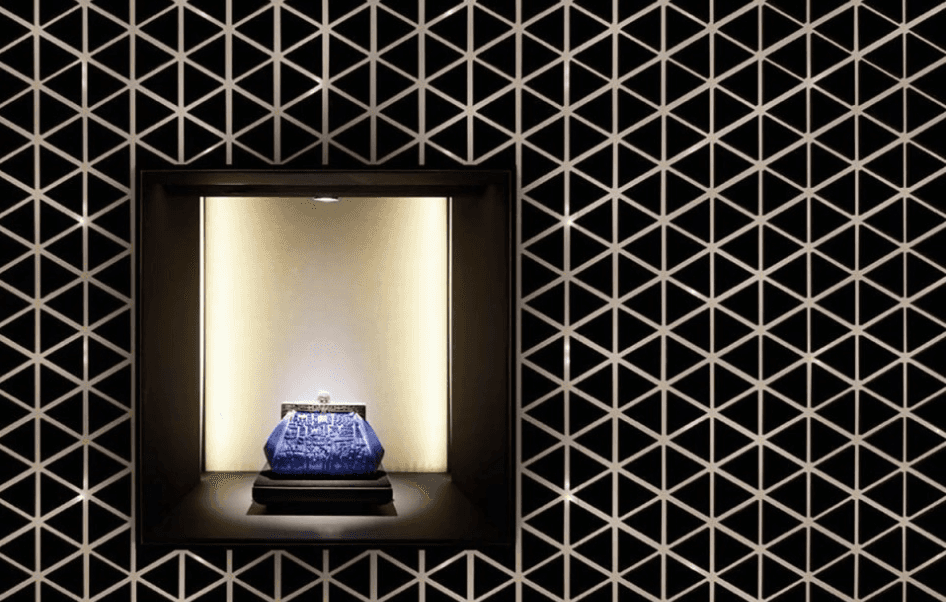
Contrast between layers
Glare control
Dimming by zone and program
Plans don’t care how a space feels.
Clients, photographers, and post-handover feedback absolutely do.
Resource of the week
This is where The Soul Space Method comes in.
It’s delivered as a Lighting Direction Pack — a specify-able layer that maps:
Program and rituals
Contrast and hierarchy
Control strategies
All without increasing fixture counts, blowing budgets, or creating late-stage revisions.
Fixtures utilised in better placements. Intent held through VE and build.
That’s environmental design - not fixture shopping.
Sources: